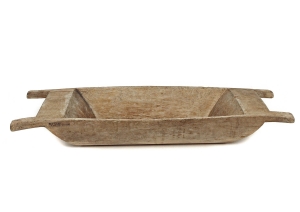



The wood and metal objects collection began to be formed in the 1920s, at the same time as the first historic buildings were installed in the museum. Today the collection contains more than 15,400 objects.
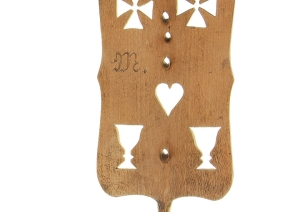
The collection includes tools and household objects that supported the daily life of rural communities during the pre-industrial period.
It contains agricultural tools used for soil cultivation, grain harvesting and processing, grain measurement, as well as tools used for the cultivation and processing of fibre plants.
A particularly unique part of the collection is represented by fully equipped rural craftsmen’s workshops, including a wheelwright’s house, a weaver’s house and a blacksmith’s forge.
Several groups of objects in this collection are among the most extensive of their kind in Latvian museums, including:
- winter and summer farm transport vehicles
- beekeeping equipment
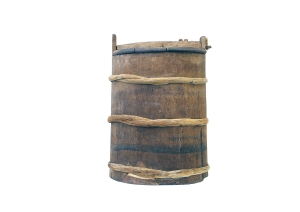
- historical grain measuring vessels
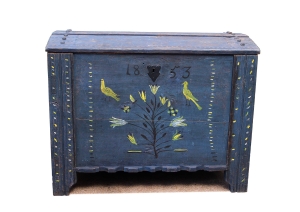
- dowry chests
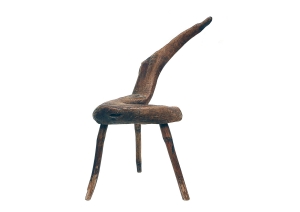
- traditional peasant furniture