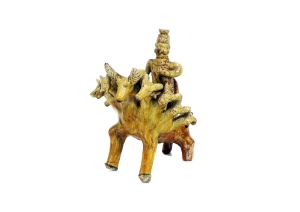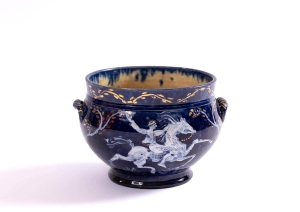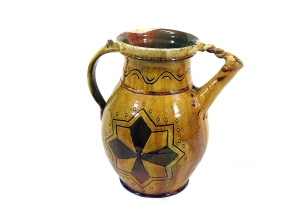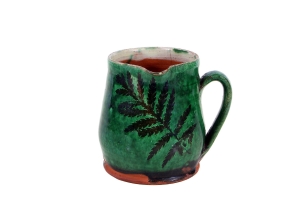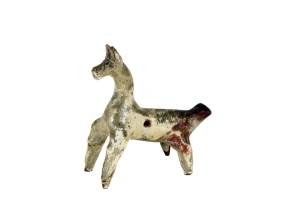

The museum’s ceramics collection was mainly formed between the 1950s and the 1990s and currently contains more than 6,800 objects.
It includes works by the most important Latvian ceramic artists of the 19th and 20th centuries, reflecting the diversity of their artistic expression. At the same time, the collection illustrates the characteristic technological and artistic developments in ceramics across different historical regions and time periods.
Ceramic objects are an important part of the cultural identity of each region of Latvia and represent significant artistic and cultural values that form part of the Latvian Cultural Canon.
In connection with this collection, it is also important that the museum exhibition includes two potters’ workshops.
The Vidzeme potter’s workshop and kiln “Čipati” were transported to the museum from Lejasciems, where the potter Gustavs Ozoliņš worked.
The Latgale potter’s homestead includes a dwelling house–workshop, pottery kiln, granary and threshing barn. These buildings were transported from the villages of Silajāņi, Gailīši, Dubu and Braslava (Auleja parish). The potter Staņislavs Pūgainis worked in the workshop, while the kiln was used by Jānis Dubovskis.