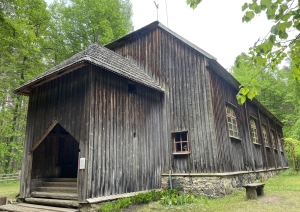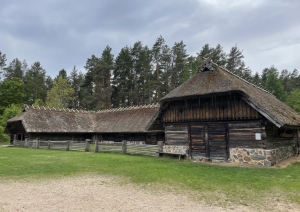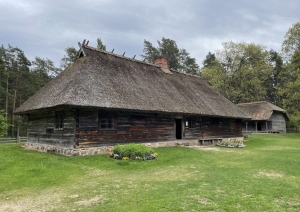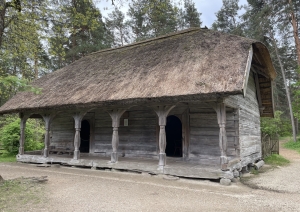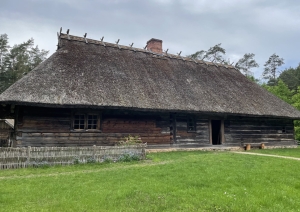


The development of the historic buildings collection of the Ethnographic Open-Air Museum of Latvia began in the 1920s. The first building was transported to the museum and installed in 1928, marking the beginning of the museum’s formation.
Today, 114 historic buildings can be seen in the museum’s exhibition area in Riga. At the museum’s remote site “Vēveri” in Vecpiebalga (Cēsis Municipality), visitors can see 16 historic buildings, while 6 buildings are preserved at the museum site “Vītolnieki” in Rucava (South Kurzeme Municipality), located in the Pape Koņi village. At both locations the buildings have been preserved in situ, remaining in their original locations.
The historic buildings preserved in the museum collection date from the late 17th century to the 1930s, providing a comprehensive and visually accessible overview of rural architecture and the cultural landscape of Latvia during this period.
All historical regions of Latvia are represented in the exhibition, demonstrating the diversity of regional traditions in vernacular architecture.